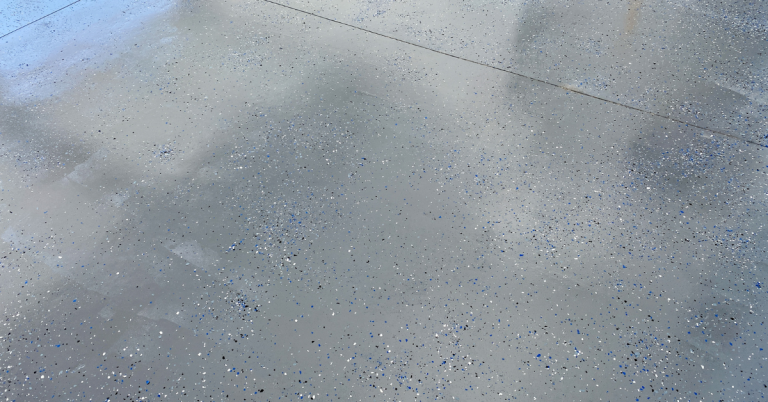
Oil stains and spills are inevitable in any garage, but they don’t have to ruin your concrete floor. Whether you’re dealing with vehicle leaks, lawn equipment drips, or DIY project messes, the right protection strategy can keep your garage looking clean and professional for years to come.
Why Oil Stains Are So Damaging to Bare Concrete
Concrete might seem tough, but it’s actually porous and absorbent. When oil seeps into unprotected concrete, it penetrates deep into the surface, creating ugly dark stains that are nearly impossible to remove completely. Over time, these oils break down the concrete’s integrity, causing deterioration, cracking, and surface flaking.
The problem gets worse in South Carolina’s humid climate, where moisture combines with oil residue to accelerate damage. What starts as a small drip can quickly become a permanent eyesore that lowers your home’s value and makes your garage look neglected.
The Best Defense: Professional Floor Coatings
The most effective way to protect your garage floor from oil stains is to install a professional coating system. Garage Floor Coatings create an impermeable barrier that prevents oil from penetrating the concrete surface. Unlike bare concrete, coated floors allow you to simply wipe away spills before they cause any damage.
Polyurea coatings are especially effective for oil protection because they’re non-porous and chemically resistant. These advanced coatings bond directly to your concrete, creating a seamless shield that repels oil, gasoline, antifreeze, and other automotive fluids. For homeowners with multiple vehicles or heavy garage use, Residential Floor Coatings offer long-lasting protection that pays for itself in prevented damage.
Immediate Cleanup: Your First Line of Defense
Even with a coated floor, prompt cleanup of oil spills is important for maintaining your garage’s appearance. The beauty of professional coatings is that cleanup becomes incredibly easy—no scrubbing or harsh chemicals required.
For fresh spills, simply absorb excess oil with paper towels or absorbent pads, then wipe the area with a damp cloth or mop. Most household cleaners work perfectly on coated floors, or you can use a simple mixture of warm water and dish soap. The non-porous surface means oil sits on top rather than soaking in, giving you plenty of time to clean without stress.
Preventive Measures for High-Risk Areas
Certain areas of your garage are more prone to oil exposure. Placing drip pans or absorbent mats under vehicles, especially if you have older cars prone to leaks, can catch drips before they reach your floor. For workshops where you store lawn equipment, chainsaws, or other gas-powered tools, designate a specific storage area with additional protection.
If you’re a classic car enthusiast or serious DIYer, consider the extra durability of polyurea coatings in high-traffic zones. These professional-grade solutions handle repeated exposure to petroleum products without yellowing, staining, or breaking down over time.
Commercial Applications: Heavy-Duty Protection
Auto repair shops, dealerships, and industrial facilities face even greater oil exposure challenges. Commercial Floor Coatings are specifically engineered to withstand constant contact with oils, solvents, and chemicals while maintaining slip resistance and safety standards.
These heavy-duty systems typically include multiple layers and are designed for maximum chemical resistance. They can handle hot tire pickup, heavy equipment, and the daily punishment of commercial operations without showing wear. For business owners in Greenville, Spartanburg, and Anderson, investing in professional commercial coatings protects your facility investment while creating a cleaner, safer work environment.
What About DIY Solutions and Sealers?
Many homeowners consider DIY concrete sealers as a budget alternative, but these products rarely provide adequate oil protection. Most store-bought sealers offer minimal penetration resistance and wear away quickly under vehicle traffic. Within months, you’ll notice oil stains appearing again, and you’ll have wasted money on a temporary fix.
Professional coating systems are engineered specifically for the unique demands of garage environments. They’re applied at proper thickness levels with professional surface preparation that ensures lasting adhesion. While the upfront investment is higher than a DIY product, the long-term protection and durability make professional installation the smarter financial choice.
Beyond the Garage: Patio and Outdoor Protection
Oil stains aren’t just a garage problem. If you have an outdoor entertainment area, workshop patio, or breezeway where you park equipment, those surfaces need protection too. Patio Floor Coatings extend the same oil-resistant benefits to outdoor spaces, creating cohesive protection throughout your property.
These specialized coatings are UV-resistant and weather-resistant, handling everything from oil drips to BBQ grease spills while maintaining their appearance through South Carolina’s hot summers and occasional freezing temperatures.
Protect Your Investment with IronDrive Garage Floors
Don’t wait for oil stains to permanently damage your concrete. Professional floor coatings from IronDrive Garage Floors provide lifetime protection against spills, stains, and deterioration. Our polyurea and epoxy systems are specifically designed for the Upstate South Carolina climate, giving homeowners and businesses in Greenville, Spartanburg, and Anderson the ultimate defense against garage floor damage. Contact us today for a free consultation and discover how easy it is to maintain a showroom-quality garage floor.
Frequently Asked Questions
Q: Will oil stains damage my epoxy or polyurea coating?
A: No. Professional-grade coatings are chemically resistant and designed to repel oil. As long as you wipe up spills within a reasonable timeframe, they won’t stain or damage the coating surface.
Q: Can I remove old oil stains before applying a coating?
A: Yes. Professional installers use specialized preparation techniques including grinding, acid etching, and degreasing to remove existing stains and ensure proper coating adhesion to clean concrete.
Q: How long do I have to clean up an oil spill on a coated floor?
A: While coatings prevent absorption, it’s best to clean spills within a few hours to a day. The non-porous surface gives you much more time than bare concrete, which absorbs oil almost immediately.
Q: Are there special coatings for automotive shops with constant oil exposure?
A: Absolutely. Commercial-grade polyurea coatings offer superior chemical resistance for high-exposure environments and can be customized with additional protective layers for extreme conditions.
Q: Will a coated floor become slippery when oil spills on it?
A: Quality coatings include slip-resistant additives that maintain traction even when wet. However, any floor surface—coated or not—can be slippery when covered in oil, so prompt cleanup is always recommended for safety.