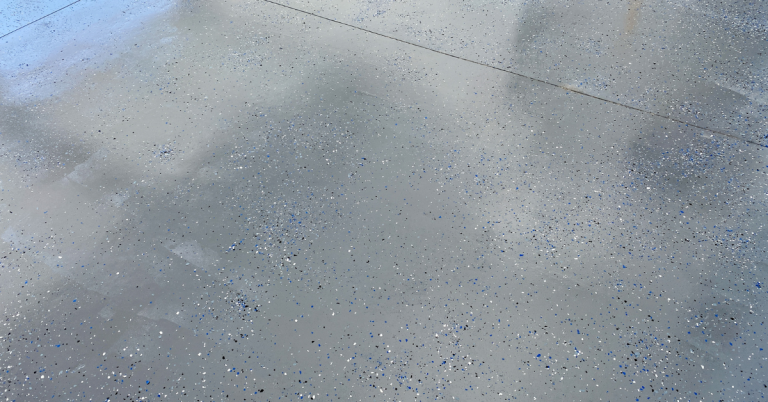
Tire marks are one of the most common complaints from homeowners with coated garage floors. Those unsightly black streaks can make even the most beautiful floor coating look worn and dirty. The good news? With the right coating choice and a few simple maintenance habits, you can keep your garage floor looking pristine for years to come.
Why Tire Marks Appear on Coated Floors
Tire marks occur when hot tires transfer plasticizers and antioxidants from the rubber onto your floor surface. When you drive your vehicle and then park it in the garage, the heat generated from friction softens these compounds. As the tires cool, they can leave behind residue that bonds to your floor coating. This is especially common during warmer weather or after highway driving when tires reach higher temperatures.
Not all floor coatings are equally resistant to tire marks. Lower-quality epoxy coatings or DIY kits often lack the chemical resistance needed to prevent these stains from setting in. The surface texture and coating chemistry play significant roles in how well your floor resists marking.
Choose the Right Coating System
The best defense against tire marks starts with selecting a high-quality coating system. Polyurea Coatings offer superior chemical resistance compared to standard epoxy, making them naturally more resistant to tire plasticizer transfer. Polyurea’s flexible yet durable surface creates a barrier that prevents rubber compounds from penetrating and staining.
Professional-grade coatings also include UV inhibitors and additives specifically designed to resist hot tire pickup. When you invest in a professionally installed system, you’re getting commercial-grade materials that are engineered to handle everything from tire marks to oil spills and chemical exposure.
Allow Proper Curing Time
One critical factor many homeowners overlook is giving their new coating adequate time to cure completely. While most coatings are ready for light foot traffic within 24 hours, full chemical cure can take up to seven days. Parking hot vehicles on a coating that hasn’t fully cured significantly increases the likelihood of tire marks becoming permanent.
Follow your installer’s recommendations exactly when it comes to curing time. This patience during the first week will pay dividends for years to come. The coating needs time to achieve its full hardness and chemical resistance properties before being subjected to hot tires.
Implement a Cooling Period
A simple but effective prevention strategy is implementing a cooling period before parking in your garage. After driving, especially on highways or during hot weather, let your vehicle sit in the driveway for 10-15 minutes before pulling into the garage. This allows tires to cool down and reduces the transfer of heated plasticizers onto your floor.
This practice is particularly important during summer months when tire temperatures can exceed 150 degrees Fahrenheit. The cooler the tires when they make contact with your coating, the less likely they are to leave marks. It’s a small habit that makes a significant difference in maintaining your floor’s appearance.
Use Floor Mats Strategically
Placing mats or parking pads under your tires adds an extra layer of protection for your coating. Absorbent mats designed for garage use can catch tire residue before it reaches your floor. Position these mats where your tires typically rest when parked, and wash them regularly to prevent buildup.
Some homeowners use plastic parking pads or interlocking tiles specifically designed for this purpose. While this covers part of your beautiful Garage Floor Coating, it can be worth it for high-value vehicles or in situations where tire marks have been persistent. You can also rotate mat positions periodically to vary the wear pattern.
Clean Marks Promptly
If tire marks do appear, addressing them quickly prevents them from becoming permanent. Fresh marks are much easier to remove than those that have had time to set. Use a pH-neutral cleaner and a soft-bristle brush to gently scrub the affected area. Avoid harsh solvents or abrasive tools that could damage your coating.
For stubborn marks, a degreaser specifically formulated for coated floors can be effective. Apply the product, let it dwell for a few minutes, then scrub and rinse thoroughly. Regular cleaning maintenance not only removes tire marks but also prevents dirt and contaminants from accumulating that could make future marks more likely to stick.
Regular Maintenance Prevents Problems
The best approach to tire marks is preventing them through consistent maintenance habits. Sweep or dust mop your garage floor weekly to remove loose dirt and debris. A monthly cleaning with appropriate cleaners keeps the surface in optimal condition and maintains its resistance to staining.
Periodically inspect your floor for any signs of coating wear or damage. Addressing small issues early prevents them from becoming larger problems. Professional coatings from experienced installers like IronDrive are designed to last for decades, but proper care ensures they look as good as they perform throughout their lifetime.
Ready to install a garage floor coating that resists tire marks and looks amazing for years? IronDrive Garage Floors serves Greenville, Spartanburg, Anderson, and throughout Upstate South Carolina with professional-grade coating solutions. Contact us today for a free consultation and discover why our coatings outperform the competition.
Frequently Asked Questions
Q: Are polyurea coatings better than epoxy at preventing tire marks?
A: Yes, polyurea coatings generally offer superior resistance to hot tire pickup due to their enhanced chemical resistance and flexibility. They’re specifically engineered to withstand the plasticizers and compounds that cause tire marks, making them the preferred choice for homeowners concerned about this issue.
Q: Can tire marks damage my garage floor coating permanently?
A: Most tire marks are surface residue that can be cleaned without damaging a quality coating. However, if left unaddressed for extended periods or if the coating hasn’t fully cured, the plasticizers can penetrate deeper and become more difficult to remove. Prompt cleaning prevents permanent staining.
Q: How long should I wait after installation before parking on my new coating?
A: Most professional coatings can handle vehicle traffic after 24-48 hours, but full chemical cure takes 5-7 days. For best results in preventing tire marks, wait the full recommended cure time before parking vehicles, especially after highway driving or in hot weather.
Q: Do certain tire brands cause more marks than others?
A: Yes, tire composition varies by brand and type. High-performance tires and those with softer rubber compounds tend to leave more marks. However, a quality coating system combined with proper maintenance practices will resist marking from all tire types.
Q: What’s the best way to clean existing tire marks from my coated floor?
A: Start with a pH-neutral cleaner and soft-bristle brush, scrubbing gently in circular motions. For stubborn marks, use a degreaser designed for coated floors, allowing it to dwell briefly before scrubbing and rinsing thoroughly. Avoid harsh chemicals or abrasive tools that could damage the coating surface.